History Stuff
Hannibal: the Man Who Almost Destroyed Rome

A History Stuff documentary

Hannibal: the Man Who Almost Destroyed Rome

In the autumn of 218 BC, an army and its elephants climbed into the Alps to strike Rome from the one direction it never expected. For more than a decade, one general kept the Republic on the edge of collapse.

19 min8 chapters218 – 183 BC5 battles, mapped

The brief

Snow, ice, and a ledge above a drop no one could survive.

This film follows Hannibal of Carthage from a childhood oath against Rome to the siege of Saguntum, the march over the Alps, and the great battles of Trebia, Trasimene and Cannae. It then turns to the brother who never arrived at the Metaurus, the last battle at Zama, and the exile that followed. It asks why Rome survived, and why its generals studied him for centuries.

Who the story follows

Hannibal

Hannibal

Carthaginian general who marched an army and its elephants over the Alps to bring war to Rome itself.

Scipio

Scipio

The Roman general who learned from Hannibal, took New Carthage, carried the war to Africa and met him at Zama.

Hannibal: the Man Who Almost Destroyed Rome: the documentary on YouTubePlay on YouTube19:20

Opens on YouTube, where you can like, comment and subscribe.

8 chapters

The story, chapter by chapter

Each one opens the film at that chapter on YouTube.

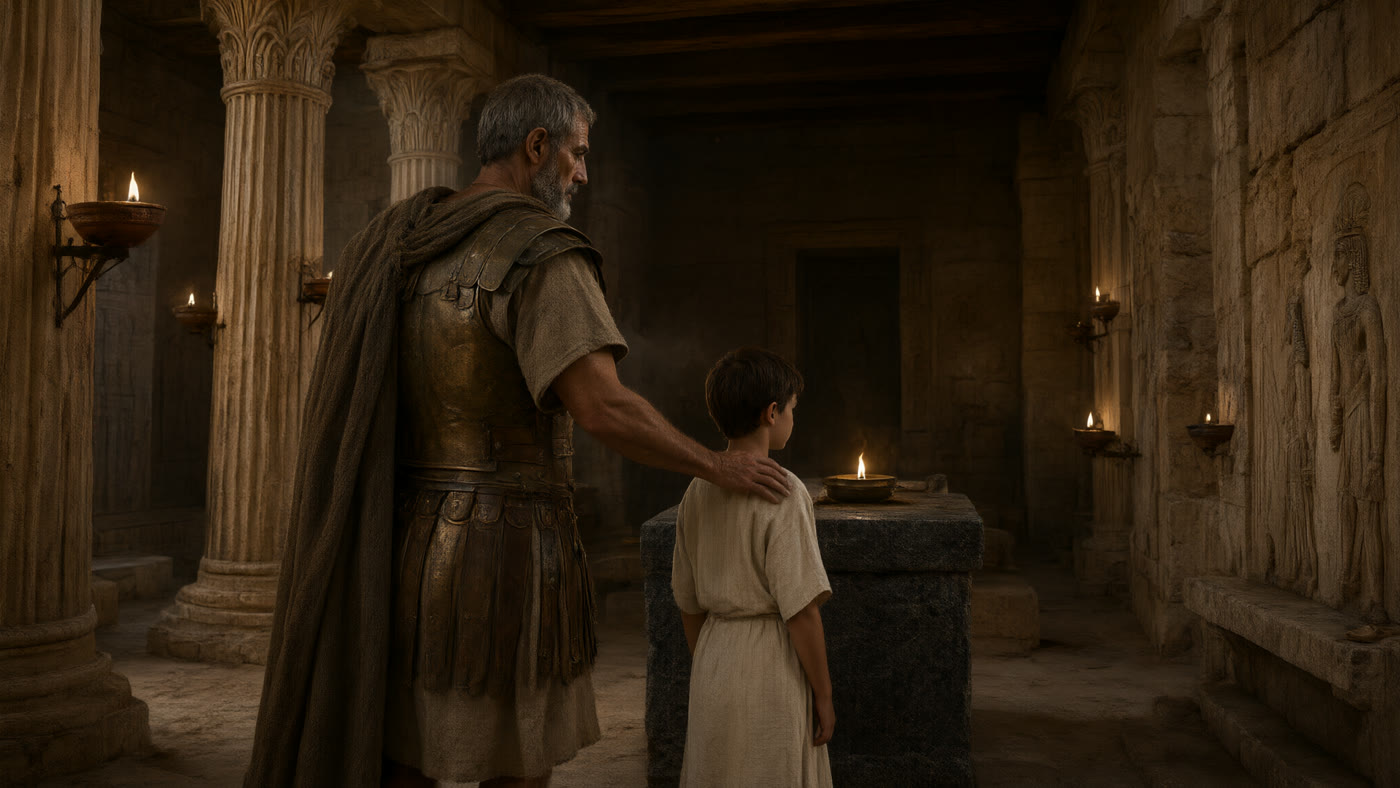
Interior of a Carthaginian temple lit by oil lamps, a weathered general in a bronze cuirass resting his hand on the shoulder of aI

Chapter 1At 0:53

The Oath and the Siege

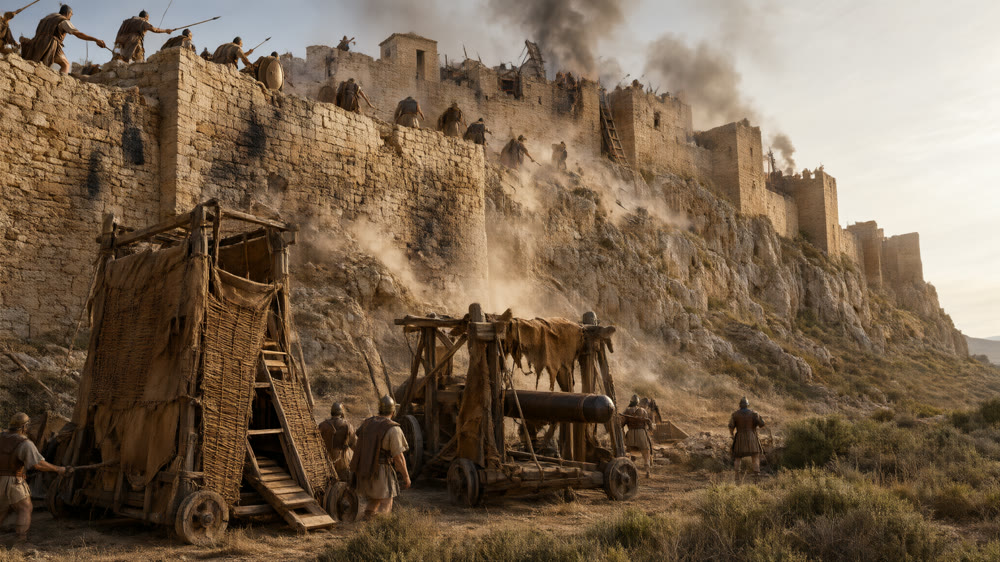
Carthage has lost one war to Rome and the two powers face each other across the western sea. Hamilcar Barca takes his nine-year-old son Hannibal to Spain, where the boy grows up in a war camp. At twenty-six, he is chosen to command, and he turns on the walled city of Saguntum, an ally of Rome.

A Roman envoy gathers a fold of his toga and says it holds both peace and war.

Watch this chapter · 1:51
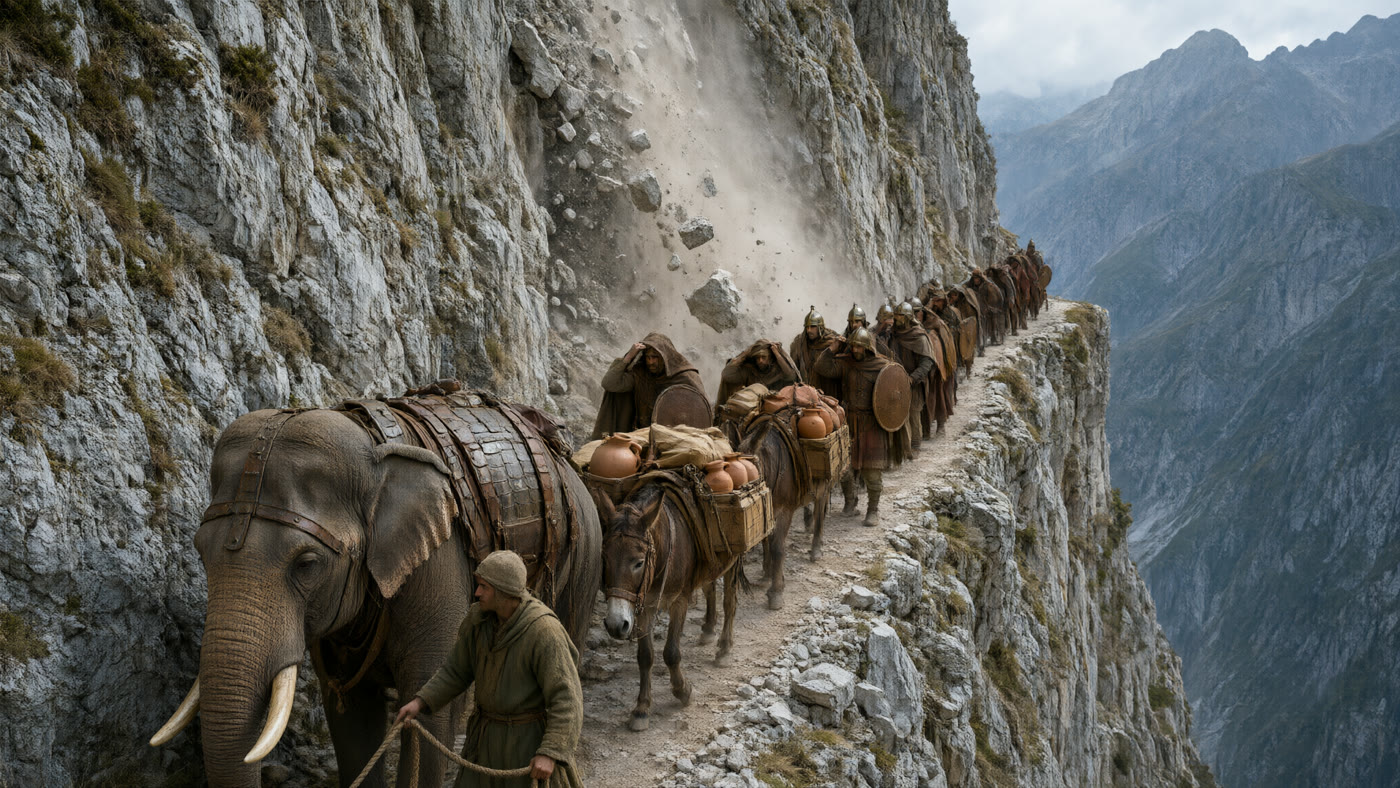
A narrow mountain track on a cliff face in the Alps, an army column of men, mules and elephants in single file, boulders tumbling down fromII

Chapter 2At 2:56

The March Over the Alps

In the spring of 218 BC, Hannibal leaves Spain with about a hundred and two thousand men and thirty-seven elephants. They cross the Pyrenees, then the Rhône, where Gallic warriors wait on the far bank. Ahead lie the Alps, with guides who cannot all be trusted.

Snow comes early, and the elephants have nothing to eat on the bare rock.

Watch this chapter · 2:30
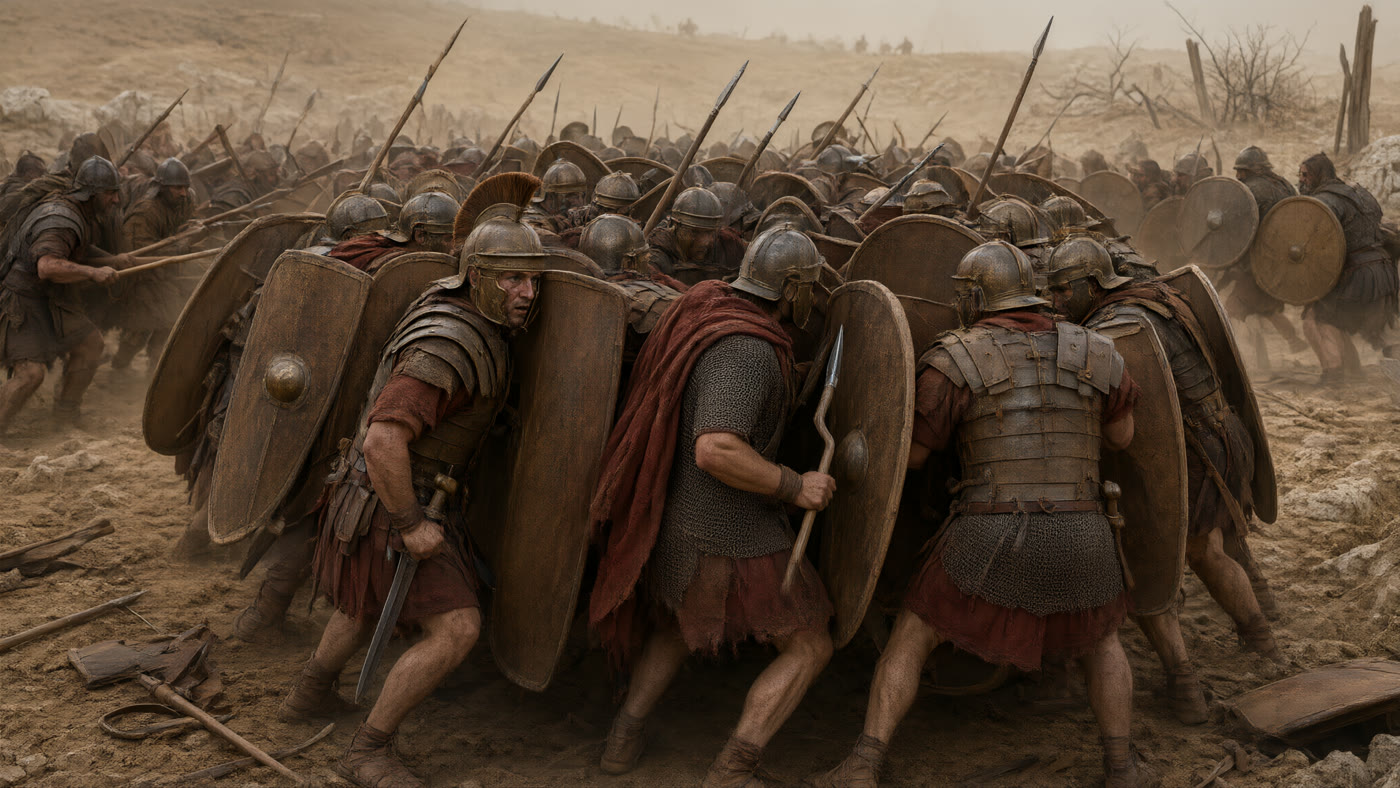
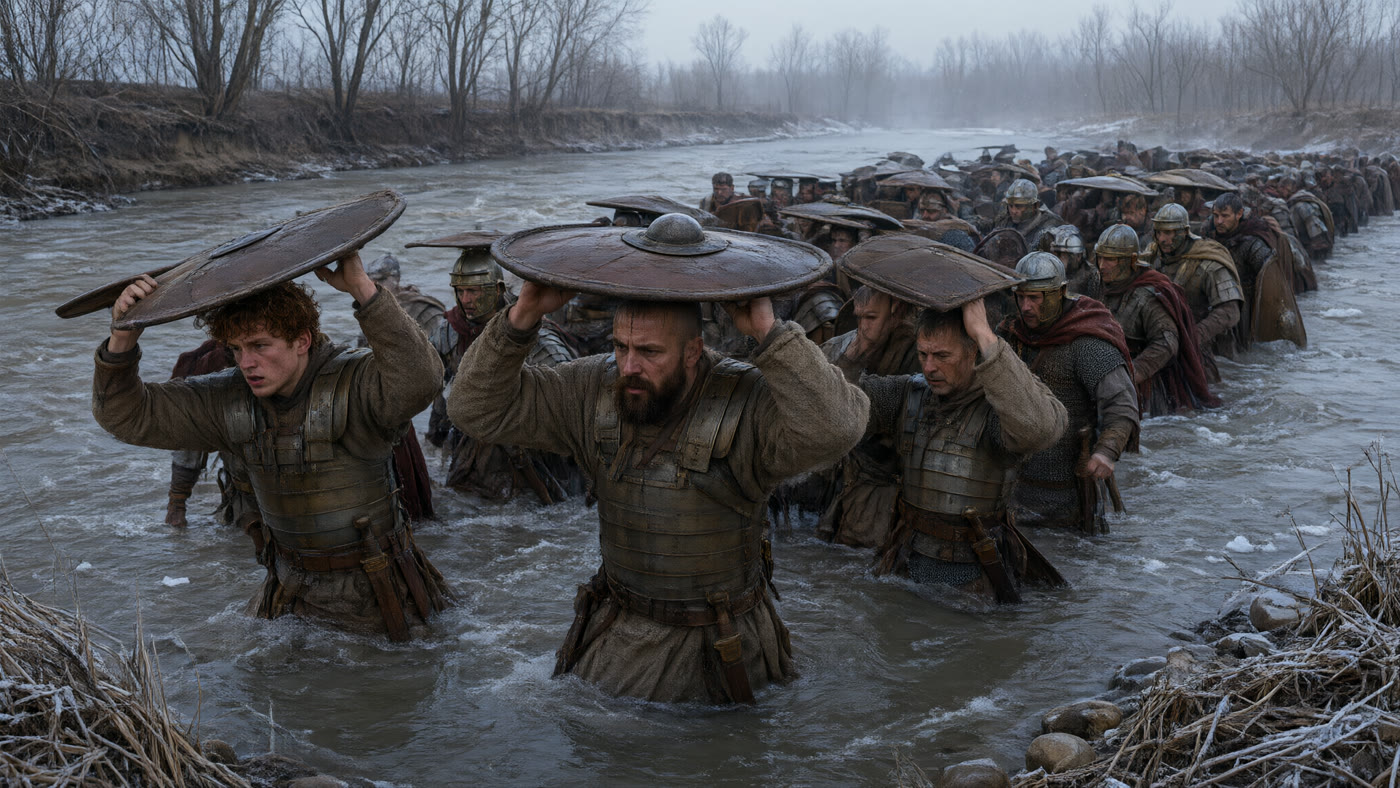
Roman legionaries wading chest-deep across a wide freezing river in sleet, shields held above their heads, faces strained, more soldiersIII

Chapter 3At 5:33

Trebia: The Trap in the Riverbed

Hannibal comes down into Italy and his Numidian horsemen catch a Roman force in the open near the Ticinus. Two Roman consuls then gather by the cold Trebia, and they disagree about whether to wait or to fight. Hannibal has spies among the Gauls, and he understands the difference between the two men.

He plans his battle for the impatient one.

Watch this chapter · 2:03
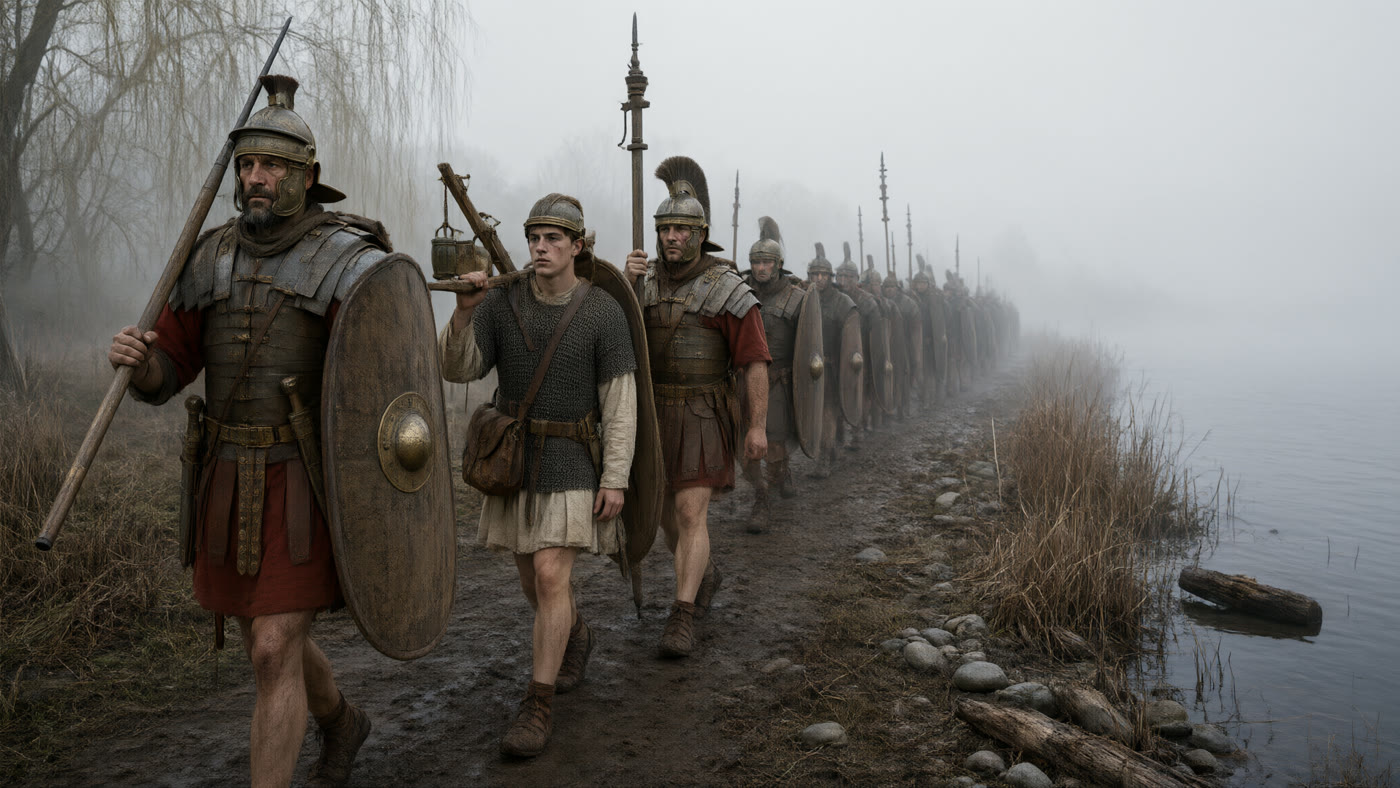
Roman legionaries marching in a long column along a lakeside road in dense fog, only the nearest men visible, shields slung, standards dimIV

Chapter 4At 7:47

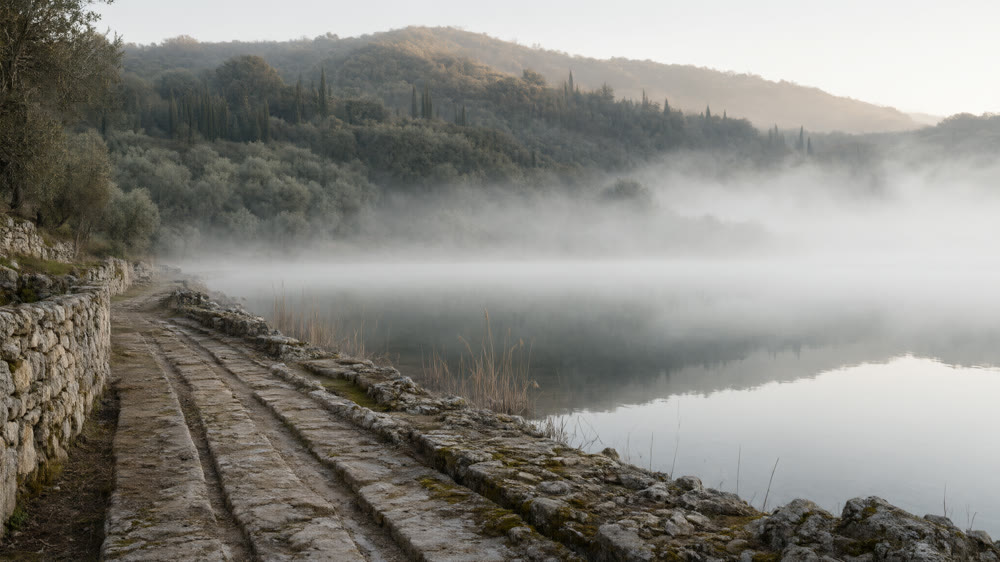
Trasimene: Fog on the Lake

In the spring of 217 BC, Hannibal leads his army through the flooded marshes of the Arno, four days and three nights in the water. An infection costs him the sight of one eye. Then he marches past the Roman camp of Flaminius, burning farms in plain view.

Flaminius is a proud man, and he cannot watch Italy burn.

Watch this chapter · 2:05
Dawn on the plain of Cannae in summer, a red battle cloak being raised on a spear above the Roman consul’s tent as the signal for battle, aV

Chapter 5At 10:04

Cannae: The Perfect Encirclement

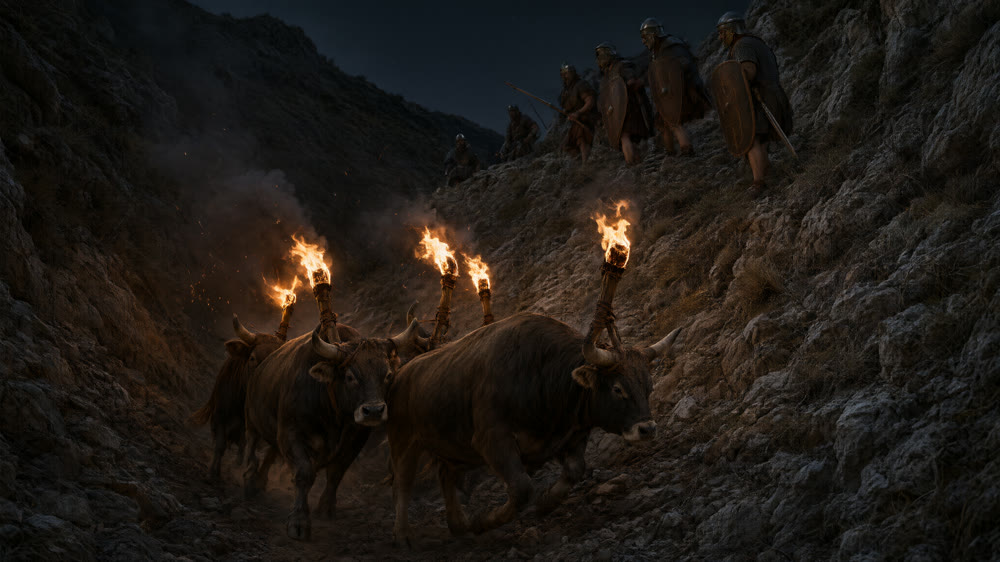
Rome appoints Fabius Maximus, who shadows Hannibal and refuses battle, and he is mocked as the Delayer. Hannibal slips out of a trap with torches tied to the horns of two thousand oxen. Rome then raises the largest army in its history and Hannibal waits for it on an open plain by the river Aufidus.

On the second of August, it is Varro's day to command.

Watch this chapter · 2:21
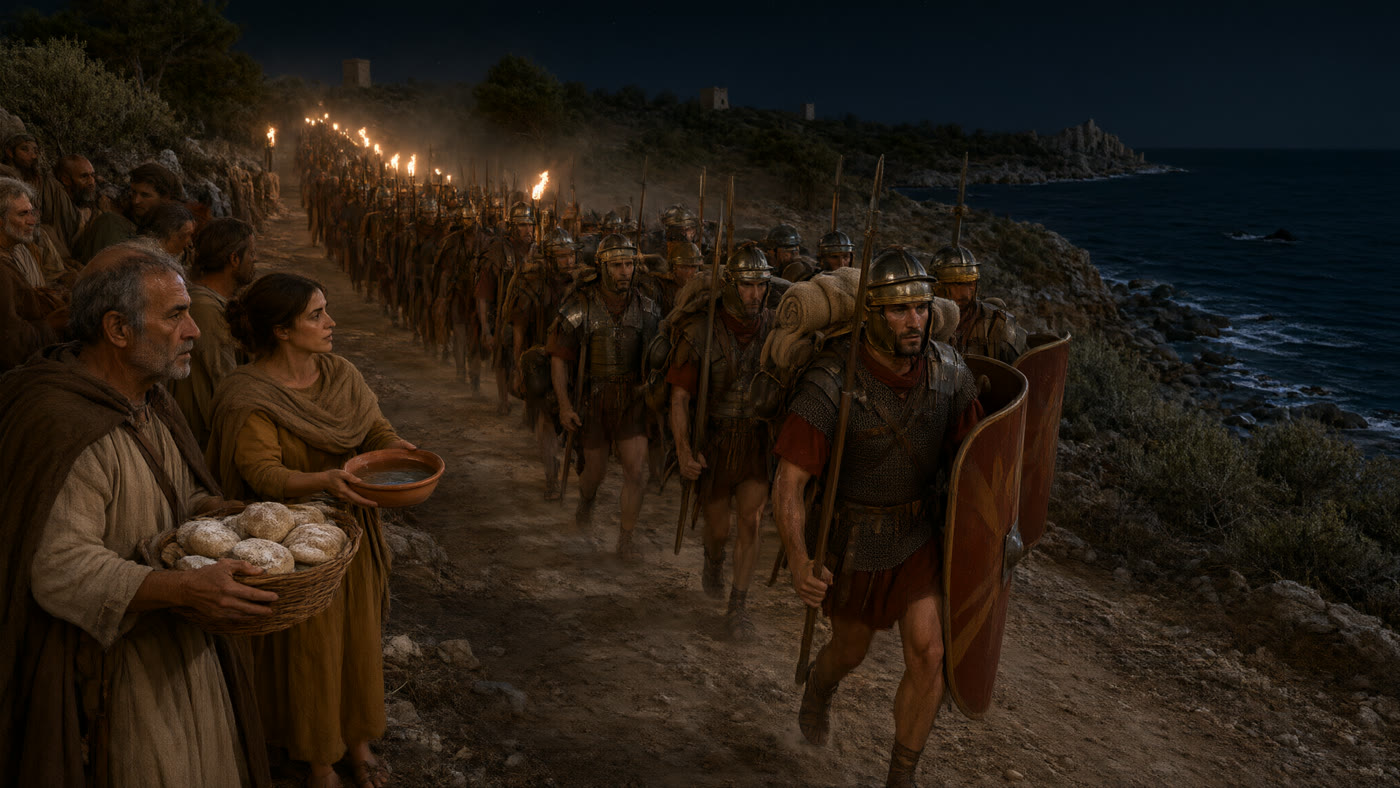
A long column of Roman legionaries marching fast at night along a coastal road, torches, villagers on the roadside offering bread andVI

Chapter 6At 12:35

Metaurus: The Brother Who Never Arrived

Rome refuses to negotiate after Cannae, and Hannibal marches within sight of its walls. By 207 BC his hopes rest on his brother Hasdrubal, who has crossed the Alps with a second army. Roman scouts catch the riders carrying his letters, and the consul Nero reads them.

Nero leaves his camp looking fully manned and marches north in secret.

Watch this chapter · 2:28
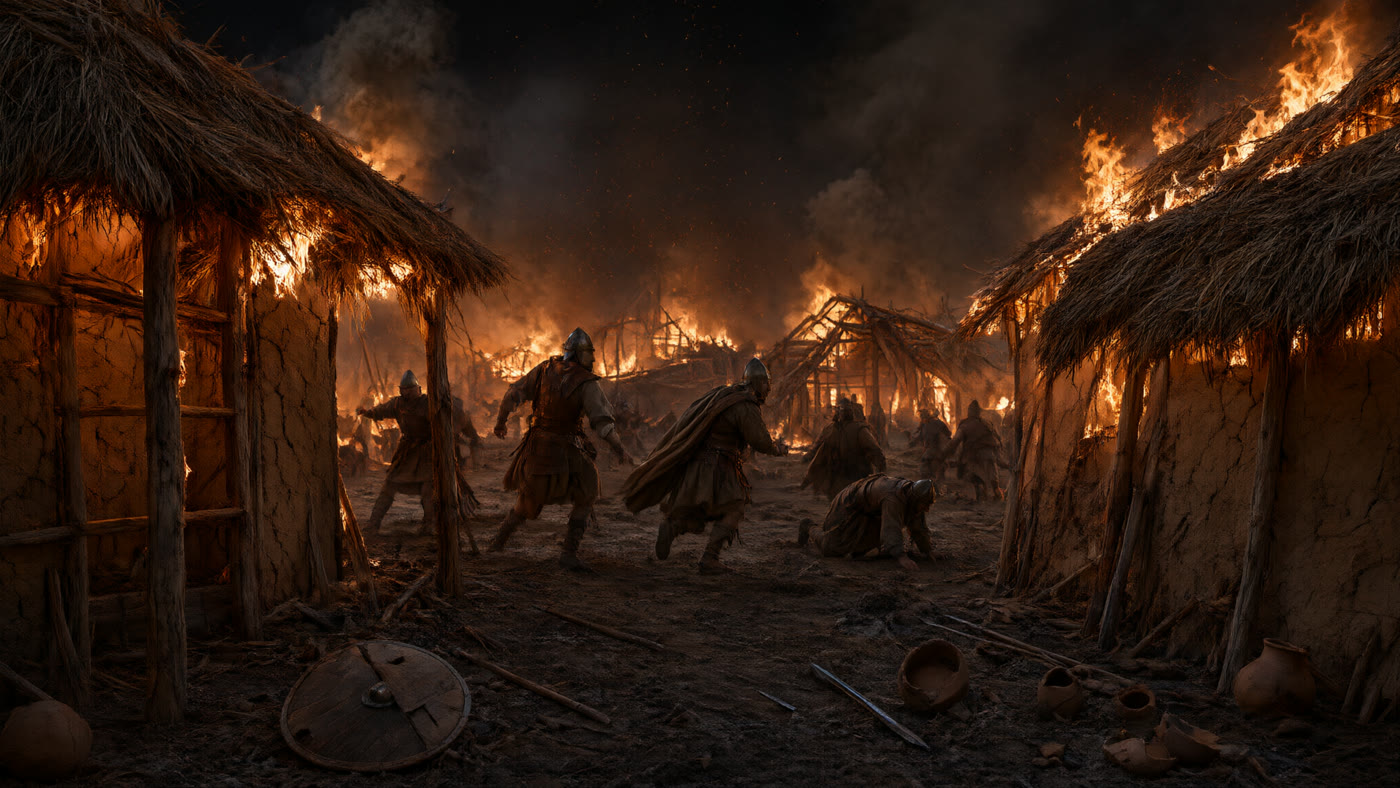
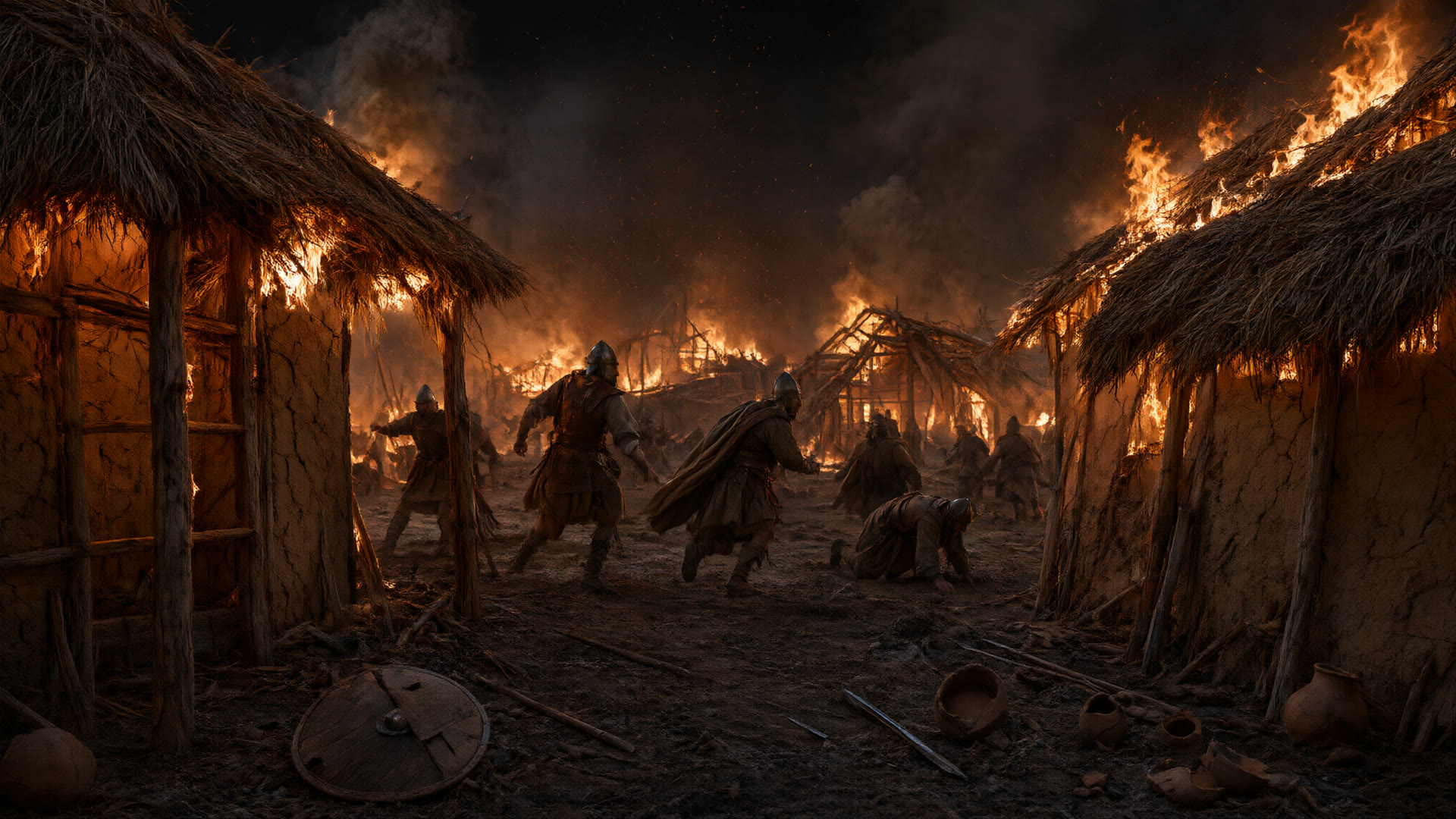
Night attack on an army camp of reed and timber huts, flames roaring through the huts, silhouettes of soldiers running from the fire,VII

Chapter 7At 15:09

Zama: The Last Battle

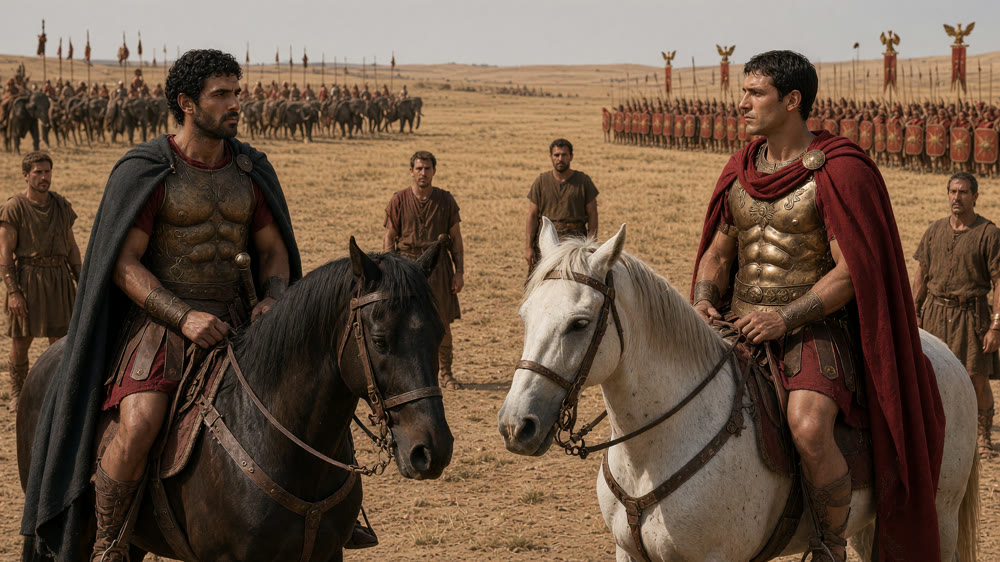
Scipio takes New Carthage by sending men across a lagoon at low tide, then lands in Africa and burns two enemy camps in a single night. Carthage calls Hannibal home after fifteen years in Italy. Before the battle at Zama, the two generals ride out alone between the armies.

They talk face to face, and they agree on nothing.

Watch this chapter · 2:17
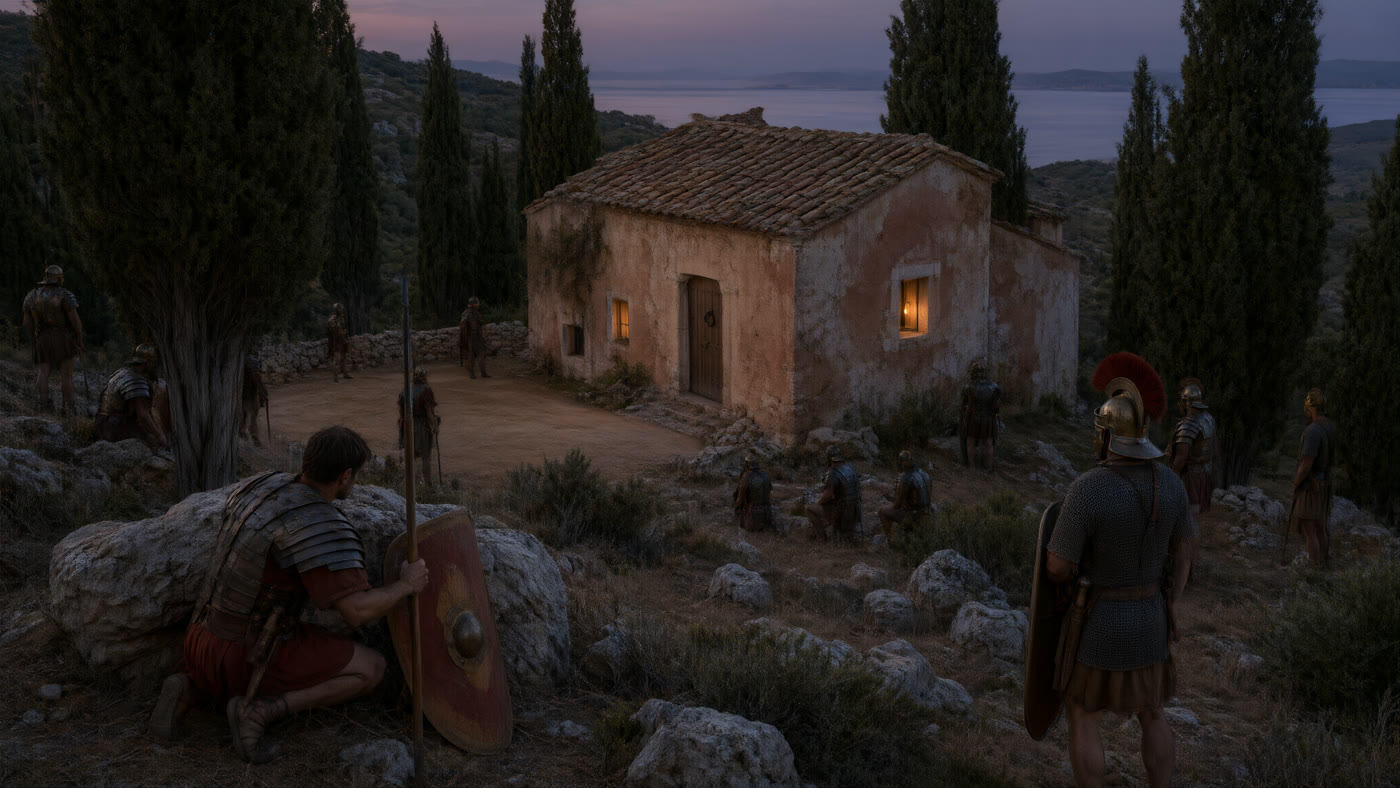
A villa on a hillside above the Sea of Marmara at dusk, Roman soldiers quietly surrounding it among the cypress trees, lamplight in oneVIII

Chapter 8At 17:32

The Long Shadow

Carthage accepts Rome's terms and survives, but no longer as a rival. Hannibal turns to politics and reforms the city's finances, until his enemies denounce him to Rome. He rides out by night and sails east, serving kings who also stand against Rome.

Roman soldiers surround a villa on a hillside above the Sea of Marmara.

Watch this chapter · 1:40
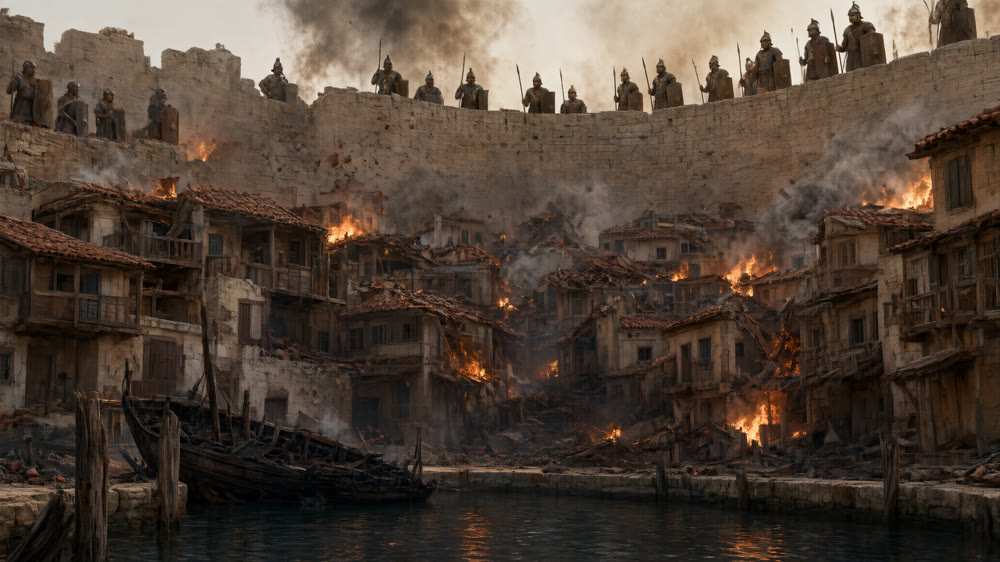
The walled hill city of Saguntum on a rocky ridge above the coastal plain of eastern Spain, under siege: wooden siege towers and covered
Lake Trasimene at dawn, thick mist lying over the water and the narrow shore road, wooded hills rising above it, absolute stillness, pale
Night in a narrow mountain pass, a herd of oxen with blazing torches tied to their horns running up a dark slope, sparks and smoke, Roman
The city of Carthage burning in 146 BC, flames and smoke above dense streets of multi-storey houses, the circular harbour in the

Alps to Zama, 218 – 202 BC

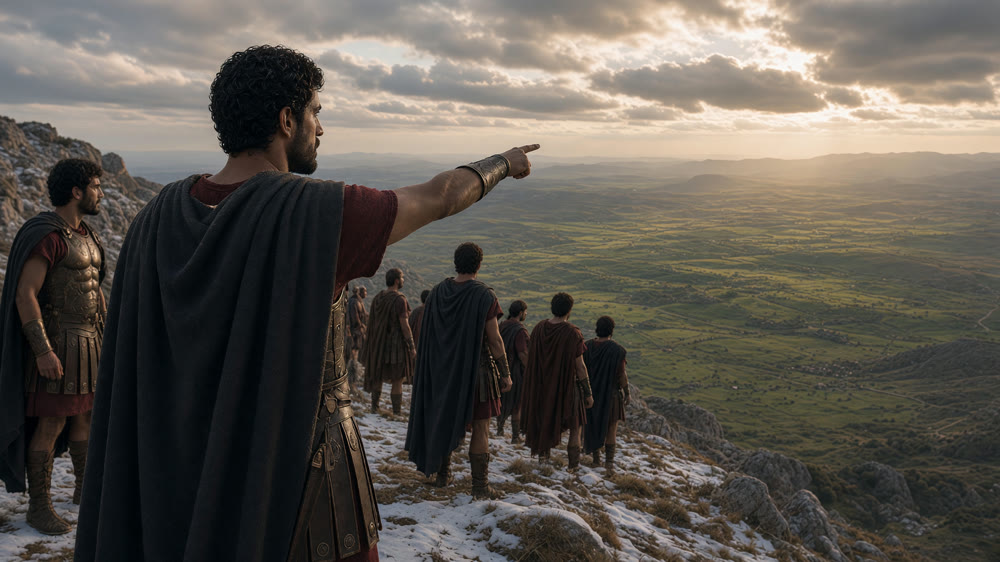
A general in a dark cloak points down from a snowy ridge at the green plains of Italy.

Watch the full story of Hannibal's war against Rome on YouTube.